I study the connections between language, technology, and culture. My research interests are cross-cultural UX, technical communication, translation, and instructional design. The featured projects below showcase the depth of my work. I invite you to explore how these initiatives contribute to meaningful conversations in these areas.
Estudio las conexiones entre el lenguaje, la tecnología y la cultura. Las áreas de investigación que me interesan incluyen la interculturalidad en la experiencia del usuario, la comunicación técnica, la traducción y el diseño curricular. Los proyectos aquí presentados muestran el alcance de mi trabajo. Les invito a explorar cómo estos proyectos aportan a las conversaciones en estas áreas.
Featured Projects
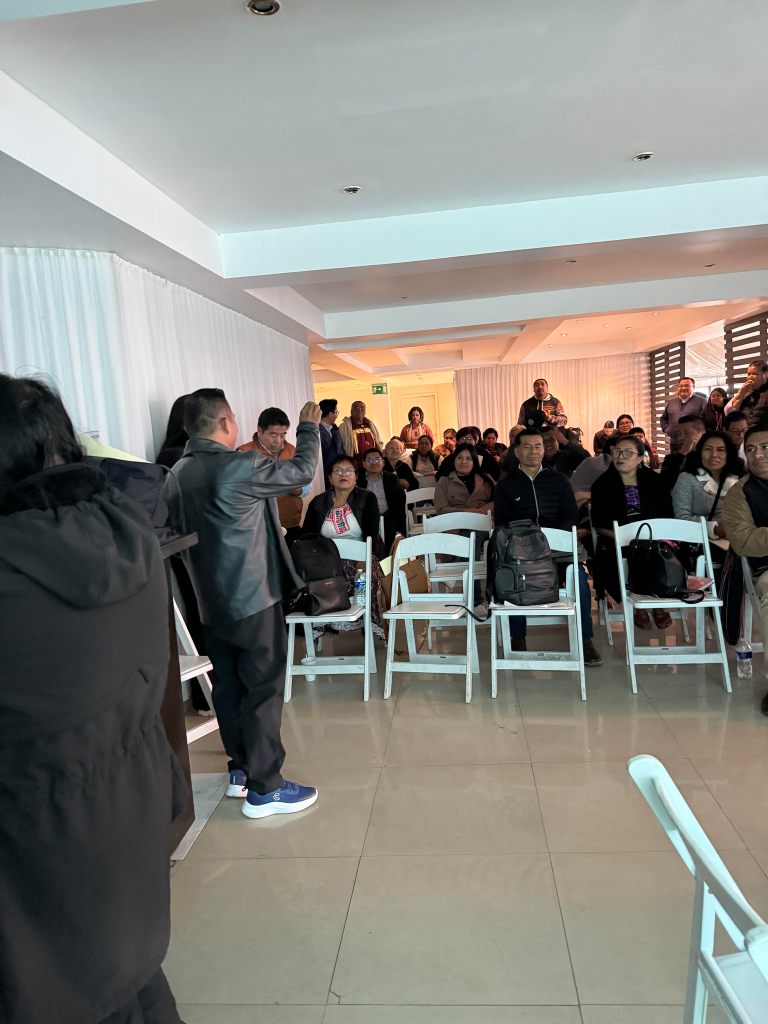
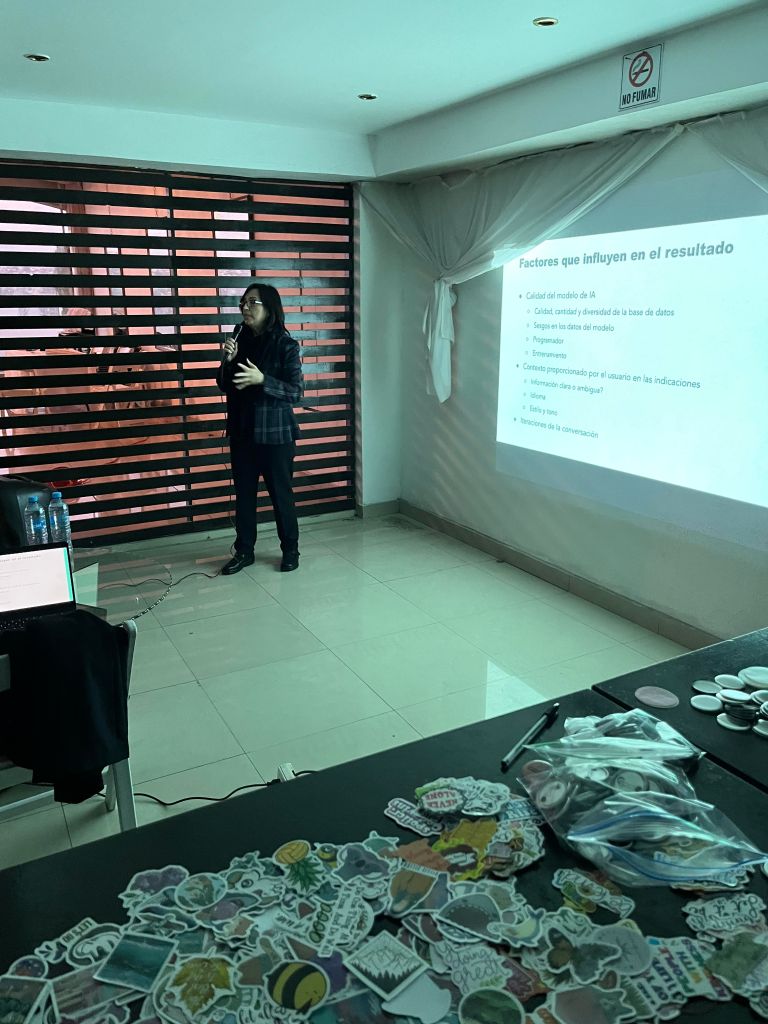
Innovating Possibilities for Generative AI and Indigenous Language Translation
- Academic Collaborators: Dr. Laura Gonzales and Dr. Victor del Hierro (University of Florida)
- Community Partner: Centro Profesional Indígena de Asesoría, Defensa y Traducción (CEPIADET)
- Research Site: Tijuana, Mexico
Keywords: Generative AI, ethical AI design, participatory design, translation
Summary: This project investigates the ethical and practical implications of generative AI in Indigenous language contexts through a series of participatory workshops with Indigenous interpreters. The project explores how AI-generated text and imagery intersect with cultural representation, linguistic accuracy, and community agency. Activities included critical analysis of AI outputs, collaborative content generation, and low-tech reinterpretation exercises to assess AI’s limitations and potential. The project emphasizes the importance of inclusive design, transparency in AI development, and the co-creation of tools that support Indigenous language preservation and interpretation.
Designing and Testing First-Year Composition Curricula with Design Thinking
- Academic Collaborator: Professor Morgan Read-Davidson (Chapman University)
- Graduate Student Instructors: Sydney Boone, Miranda Perdomo, Alex Xu, and Lashai Dowl (Chapman University)
- Research Site: Orange, California
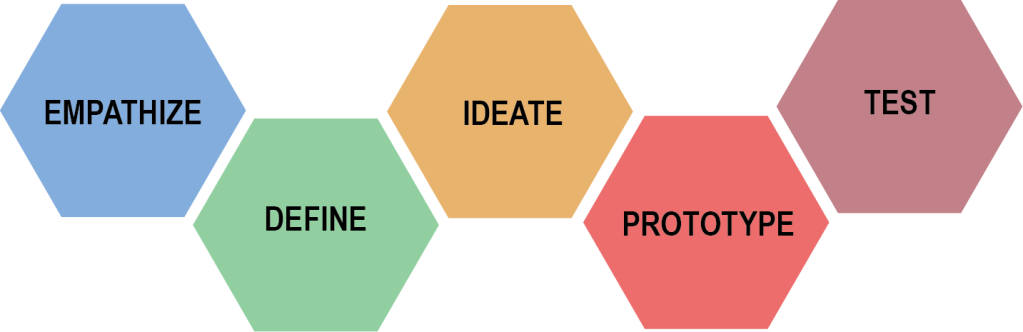
Keywords: Design thinking, UX, instructional design, first year composition, teaching with generative AI
Summary: This ongoing project examines a case study where graduate student instructors engage with design thinking, a user experience methodology, to design and test curricula for teaching first-year composition courses centered on teaching with generative AI technologies. Throughout the project, we analyze a UX instructional design approach, results of action-based projects, and reflections on how design thinking empowers graduate students to take ownership of their learning and teaching experiences.
Plain Language as a Framework for High-Stakes Simultaneous Interpretation
- Academic Collaborator: Dr. Mónica Good (University of British Columbia)
- Community Partner: Centro Profesional Indígena de Asesoría, Defensa y Traducción (CEPIADET)
- Research Site: Oaxaca, Mexico
Keywords: Plain language, simultaneous interpretation, translation, political discourse
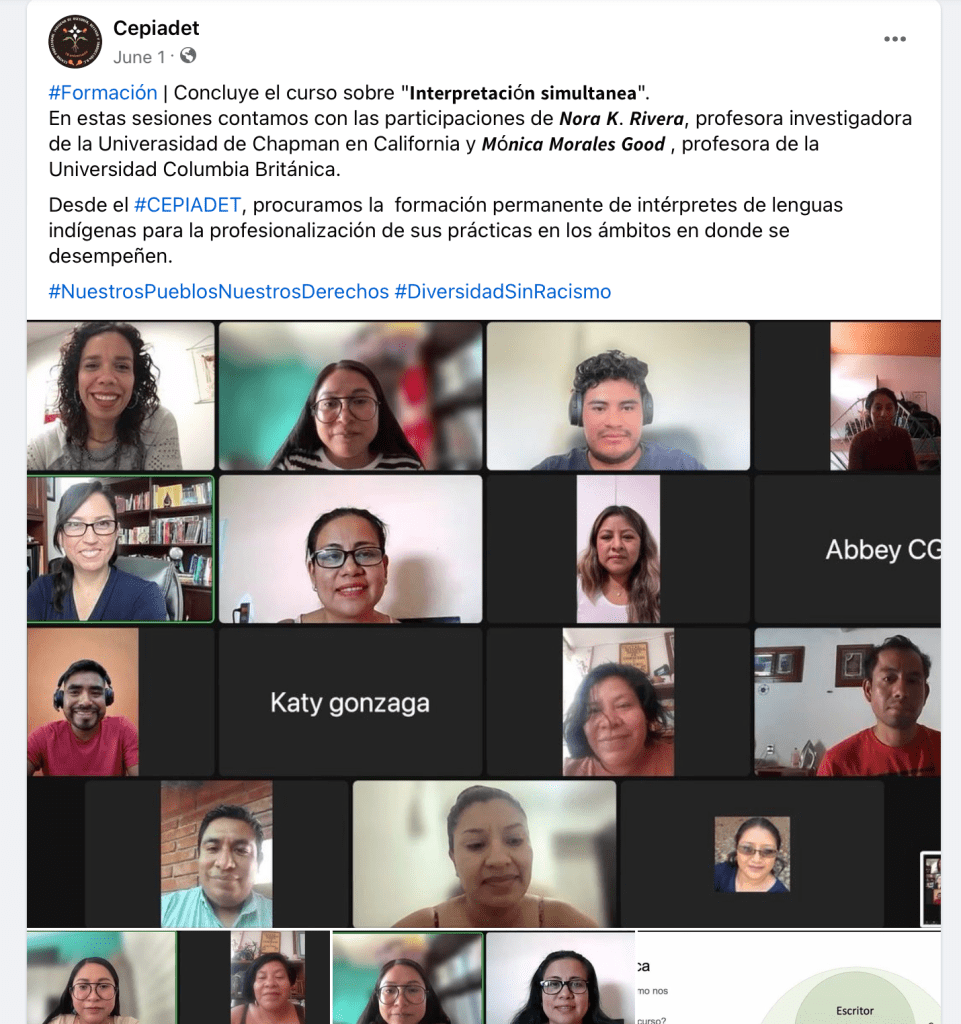
Summary: This project explores the application of plain language principles to enhance simultaneous interpretation from Spanish to Indigenous languages during Mexico’s 2024 presidential debates. Through a series of interpreter training workshops, the study tested content-focused plain language strategies to improve real-time comprehension and delivery. The project highlights the challenges of adapting written-language tools for oral Indigenous contexts and offers insights into designing linguistically inclusive communication systems for high-stakes political events.
Localization for Legal Systems
- Community Partner: Centro Profesional Indígena de Asesoría, Defensa y Traducción (CEPIADET)
- Research Site: Oaxaca, Mexico
Keywords: UX, prototyping, localization, translation, legal systems
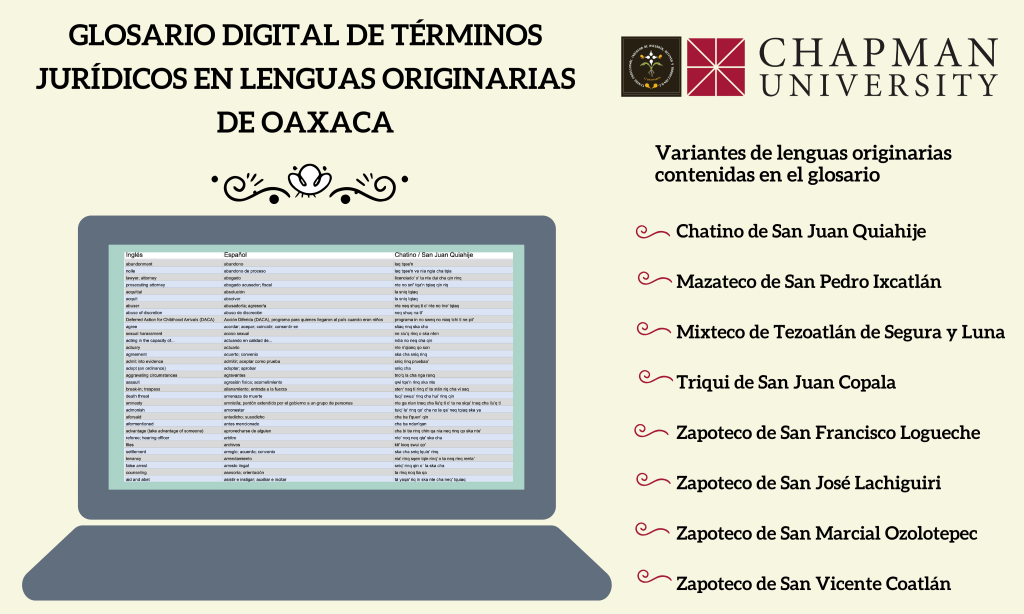
Summary: The purpose of this project is to develop tools to simplify communication between Indigenous interpreters and court officials. It aims to study how Indigenous interpreters localize technical legal terms that do not exist in their languages through prototyping digital glossaries in eight Indigenous languages from Oaxaca, Mexico, which are often needed in U.S. immigration courts. The final deliverable will support ethical innovations in localization and AI training data.
Project Publications
Carrying meaning, bridging worlds: Indigenous language localization in Western courts. (2024). IEEE International Professional Communication Conference (ProComm), Pittsburgh, PA, USA, 84-88. Winner of the 2024 James M. Lufkin Award for Best ProComm Paper from the IEEE International Professional Communication Conference (ProComm). Access here.
Localization is a political act: Collaborating with Indigenous language speakers in communities. (2025). In N. N. Jones, L. Gonzales, A. M. Haas, and M. F. Williams (Eds.), Routledge Handbook on Technical & Professional Communication. Routledge. Access here.
Mapping Indigenous Interpreter Narratives in Technical Ecosystems
- Academic Collaborator: Dr. Pilar Valenzuela (Chapman University)
- Community Partner: Centro Profesional Indígena de Asesoría, Defensa y Traducción (CEPIADET)
- Research Site: Oaxaca, Mexico
Keywords: Testimonios, personal journeys, translation, interpretation
Summary: This project applies a human-centered design lens to explore the personal journeys of Indigenous interpreters and translators working across Mexico, Peru, and the United States. Through a dataset of oral testimonios, the study captures how these language experts navigate high-stakes environments—such as courts, hospitals, and schools—while mediating complex technical content. The research informs the development of more inclusive and culturally responsive language technologies by identifying gaps in current systems and surfacing user-centered insights. The final deliverable will be a bilingual (Spanish-English) collection designed to support innovation in localization and multilingual UX design.
Examining Rhetorical Agency in Language Mediation through User Experience
- Community Partner: Centro Profesional Indígena de Asesoría, Defensa y Traducción (CEPIADET)
- Research Site: Oaxaca, Mexico
Keywords: Design thinking, cross-cultural UX, participatory design, localization, testimonios, desahogo (emotional release), empathy maps, rhetorical agency
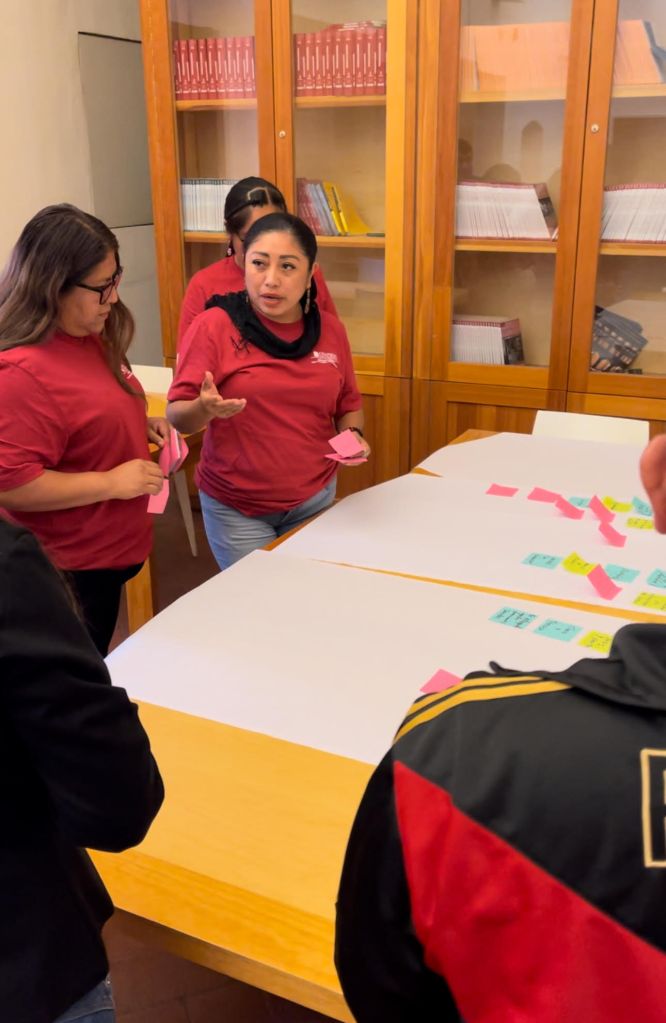
Summary: This project explores how UX researchers and technical communicators can integrate Indigenous practices into communication design systems. Using a design thinking approach, the study draws on testimonios and interviews with Indigenous interpreters and translators across Peru, Mexico, and the U.S. to surface culturally grounded practices such as desahogo (emotional release) and dialogic discourse. The research highlights the limitations of current translation and interpretation professionalization models and proposes new frameworks that center on context and lived experience. This work informs the development of human-centered systems in multilingual and multicultural contexts.
Project Publications
The rhetorical mediator: Understanding agency in Indigenous translation and interpretation through Indigenous approaches to UX. (2024). Utah State University Press. Honorable Mention of the 2025 CCCC Outstanding Book Award by the Conference on College Composition and Communication. Access here.
Understanding agency through testimonios: An Indigenous approach to UX research. (2022). Technical Communication, 69(4), 8-26. Winner of the 2023 Frank R. Smith Award for Outstanding Journal Article from the Society for Technical Communication. Access here.
Co-Designing Curriculum through Cross-Cultural UX
- Community Partner: Aatzin Tlatlatzin (Land and Water)
- Research Site: Hueyapan, Morelos, Mexico
Keywords: Design thinking, community-based UX, instructional design, empathy maps, testimonios
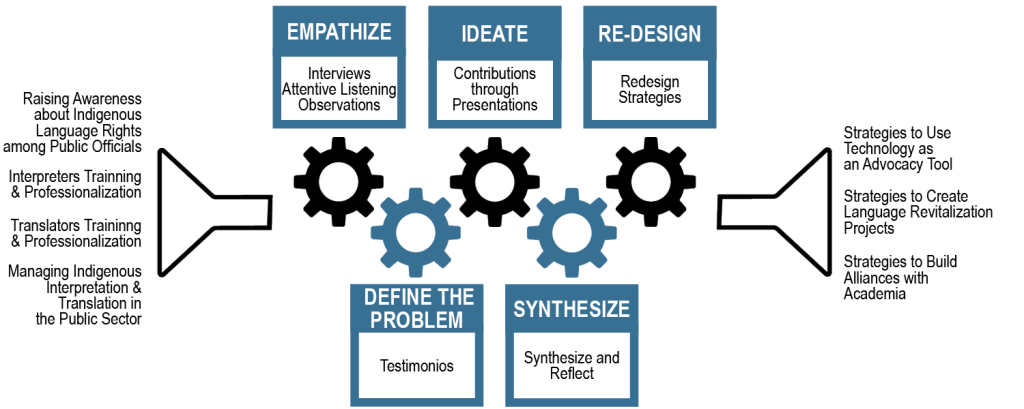
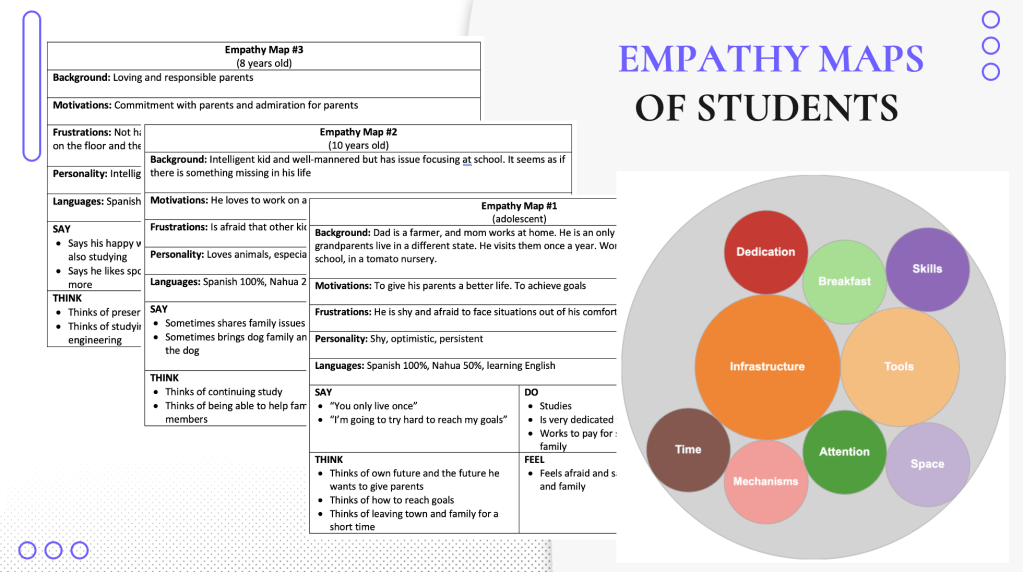
Summary: This case study explores the use of design thinking and community-based learning to co-create a culturally responsive curriculum for teaching Nahuatl, an Indigenous language, to youth in Hueyapan, Morelos, Mexico. The project integrates testimonios, empathy mapping, and participatory prototyping to align curriculum design with Indigenous pedagogical values—experiential, intergenerational, and community-rooted. By localizing design thinking within an Indigenous context, the project expands the scope of technical and professional communication (TPC) and instructional design, offering a replicable model for UX practitioners and educators seeking to build inclusive, user-centered learning systems. The work demonstrates how culturally grounded design can support language revitalization while fostering deeper engagement among underrepresented learners.
Project Publication
Online design thinking and community-based learning: Co-designing an Indigenous curriculum to help redress language marginalization. (2024). Programmatic Perspectives, 14(2), 88-119. Winner of the 2025 CCCC Technical and Scientific Communication Award in the category of Best Article Reporting Qualitative or Quantitative Research in Technical or Scientific Communication. Winner of the 2025 Association of Teachers of Technical Writing (ATTW) Award in the category of Best Article Reporting Qualitative or Quantitative Research. Access here.
 Nora K Rivera, Ph.D.